What is HPB (High Performance Bedding) and When Do You Need It?
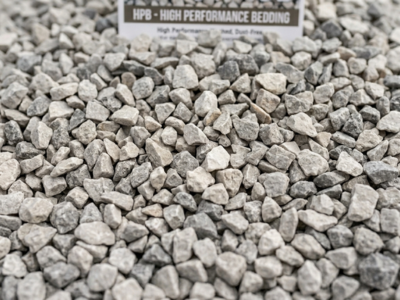
If you’re starting a landscaping or hardscaping project and searching for reliable gravel delivery in Toronto, understanding the right base material is key to long-term results. High Performance Bedding (HPB) is a popular choice among contractors and homeowners because it provides a clean, stable, and well-draining foundation for patios, walkways, and driveways. Unlike traditional base materials, HPB is made from crushed, washed limestone chips that are free from dust and fine particles, allowing water to flow through easily instead of pooling beneath the surface.
HPB is also known for being self-compacting, which means it locks into place under pressure without the need for heavy compaction equipment, making installation faster and more efficient. At We Deliver Gravel, we supply HPB directly to homes and job sites across Toronto, Vaughan, and the Greater Toronto Area. Many of our customers have heard the term from contractors but are not always sure what it is or why it matters—this guide breaks it all down in plain language so you can choose the right material with confidence.
Why the bedding layer matters more than most people think
Before we talk about HPB specifically, it helps to understand why the bedding layer exists in the first place. When you install interlocking pavers, patio slabs, or flagstones, the surface you walk on is not resting directly on soil. There is always a compacted base layer beneath, and on top of that base sits a thin bedding layer, usually about one inch thick. That bedding layer does two critical jobs:
- It gives you a level, smooth surface to set each paver perfectly flat
- It fills the small voids between the base and the paver so that the weight is distributed evenly
Get the bedding material wrong and your patio shifts, your pavers pop up in winter, and you end up doing the whole project again in three years. Get it right, and the installation holds for decades.
What makes HPB different from Limestone Screenings?
This is the question we get most often. Both materials look similar at first glance. Both are small, crushed limestone. But the difference between them is significant. Limestone Screenings (also called stone dust) contain fine particles and dust. When wet, those fines compact almost as hard as concrete, which sounds like a good thing until Ontario winter arrives. The freeze-thaw cycle causes that densely packed, moisture-retaining material to heave and shift, pushing your pavers out of alignment season after season.
HPB, on the other hand, has been washed to remove all those fines. What you are left with is clean, angular chips with open voids between them. Water drains through freely. There is nothing to freeze and expand. The material stays stable through even the harshest GTA winters.
Here is a quick breakdown of how the two materials compare:
- Drainage: HPB drains excellently. Limestone Screenings drain poorly.
- Freeze-thaw resistance: HPB is high. Limestone Screenings are low.
- Weed resistance: HPB is high. Limestone Screenings are moderate.
- Self-compacting: Both are self-compacting.
- Best use: HPB for permeable paver bases. Limestone Screenings for walkway finish layers and driveway topping.
If budget is the only concern, Limestone Screenings can work for certain low-traffic applications. But for anything involving pavers, interlocking, or areas with heavy rainfall and cold winters, HPB is the smarter long-term investment.
When do you actually need HPB?
Here are the most common situations where HPB is the right call:
1. Under interlocking pavers and patio slabs
This is where HPB really shines. Professional hardscapers across the GTA increasingly use it as their go-to bedding layer for interlocking stone installations because it handles drainage and stays level. The angular shape of the chips locks together under the weight of the pavers above, reducing shifting over time.
2. Under a shed or hot tub base
Any structure that sits on a gravel bed but does not have concrete footings benefits from HPB. It creates a firm, level surface without pooling water beneath the structure. Moisture under a shed is one of the main reasons wooden floors rot prematurely.
3. Behind retaining walls
HPB is an excellent backfill material directly behind retaining wall blocks. Water that builds up behind a wall creates hydrostatic pressure that pushes blocks out of alignment. HPB lets that water escape freely, protecting the integrity of the wall.
4. Around foundation walls and drain tile
Many foundation drainage systems rely on free-draining aggregate around the weeping tile pipe. HPB is commonly used here because it will not clog the pipe with fines. This is critical in the GTA, where clay-heavy soil retains moisture and puts pressure on foundation walls.
5. French drains and catch basins
If you are dealing with a soggy backyard or poor drainage around a driveway, a French drain packed with HPB will move water away efficiently without the pipe getting clogged with fine material over time.
6. Around swimming pool shells
Pool installers use HPB as backfill around pool structures because the drainage it provides prevents soil pressure from building up against the pool wall. It also prevents frost heave from shifting the pool structure during Toronto winters.
How much HPB do you need?
For a standard interlocking paver or patio slab installation, you typically want about one inch of HPB as your bedding layer on top of a compacted Granular A base. For drainage applications like French drains, retaining wall backfill, or foundation drainage, depths vary depending on the project, but are usually between 4 and 12 inches.
If you are not sure how much to order, use our gravel calculator to estimate the volume your project needs based on length, width, and depth. It takes about 30 seconds and saves you from over-ordering or running short mid-job.
HPB vs Concrete Sand: what contractors debate
Concrete Sand has been the traditional bedding choice for interlocking paver installations for a long time, and it is still the only material formally approved by ICPI (Interlocking Concrete Paver Institute) for non-permeable installations. That said, many experienced gravel suppliers in Toronto and GTA contractors have shifted to HPB for permeable and open-graded installations because it handles drainage better and does not wash out through the gaps between pavers the way sand sometimes can, especially on raised patios or projects with wider paver joints.
The short version: for standard, tight-jointed paver installations on a traditional base, Concrete Sand works well. For permeable systems, raised patios, or any installation where you are managing active drainage, HPB is often the better choice.
Tips for installing HPB correctly
Getting the most out of HPB comes down to a few key steps:
- Use proper edging. HPB needs to be contained. Without edging, the angular chips can migrate outward over time. Steel, aluminum, or plastic paver edging locked into the base holds everything in place.
- Set your base first. HPB is a bedding material, not a base material. It goes on top of a properly compacted base, usually 4 to 6 inches of Granular A for patios, or deeper for driveways.
- Screed to one inch. Use screed pipes or rails to pull HPB to a consistent one-inch depth before setting your pavers. This is what gives you a flat, level surface.
- No pre-compaction needed. One of the advantages of HPB is that you do not compact it before laying the pavers. The weight of the pavers and final plate compaction does the work.
- Use landscape fabric beneath. A geotextile fabric between the soil and your base layer prevents fine soil from migrating up into the HPB over time, which would eventually clog the drainage.
Getting HPB delivered with your gravel delivery in Toronto and the GTA
We carry HPB in bulk and deliver it loose directly to your property. As one of the trusted gravel suppliers in Toronto, we handle everything from small residential patio projects to larger contractor loads. Whether you are a homeowner in Toronto planning a backyard makeover or a contractor managing multiple job sites across Vaughan, our gravel delivery in Toronto and GTA service keeps your project on schedule.
We also offer our stone slinger service for properties where access is tight, like narrow backyards or fenced lots where a standard dump truck cannot reach the target area. The stone slinger places material precisely where you need it, saving you hours of manual wheelbarrow work.
You can also order online and have HPB, Granular A, Limestone Screenings, or any of our other aggregate products scheduled for delivery at a time that works for you.
We deliver wherever you are across Toronto and the GTA
We serve clients across Toronto, Vaughan, and the entire Greater Toronto Area. Whether your project calls for a full interlocking patio base, a French drain aggregate, or a small shed foundation using High Performance Bedding, we make sure your materials arrive on time and get placed exactly where you need them.
Our gravel delivery in Toronto covers all neighbourhoods including Queen West, Harbourfront, Distillery District, King West Village, Kensington Market, Cabbagetown, The Annex, Yorkville, The Beaches, Leslieville, Greektown, Little India, Don Mills, Willowdale, York University Heights, Bridle Path, Roncesvalles, High Park, Scarborough, Etobicoke, and more.
As local gravel suppliers in Toronto, we know the GTA soil conditions, the impact of Ontario winters on bedding materials and paver bases, and what it takes for a project to last through freeze-thaw cycles year after year. When you need HPB delivery in Toronto or anywhere across the GTA, we are the local supplier who knows the job and gets it done right. That local knowledge is part of what we bring to every delivery.
Ready to order HPB for your project?
Call us at 647-868-2447 or get in touch, and we will help you figure out exactly how much you need and get it delivered on your schedule. We deliver HPB, Limestone Screenings, Granular A, and a full range of aggregates across Toronto, Vaughan, and the Greater Toronto Area.